Nepal and the SDGs
Dreams of economic prosperity and sustainable development


Nepal committed to the UN Sustainable Development Goals early on, in 2015, and integrated them into its long-term policy. To implement the SDGs, the government is working closely with various stakeholders, such as UN organisations, the private sector and civil-society organisations. Platforms have been created where interest groups can exchange ideas, such as the Nepal SDGs Forum and the SDGs National Network Nepal.
Nepal’s progress is particularly evident in SDG1 “No Poverty”. The country’s 2024 Voluntary National Review states that, against the 2010-11 benchmark, Nepal’s poverty headcount ratio has fallen from about 25 % in 2010-11 to less than four percent in 2022-23. However, the report also notes that after revisions to the benchmark of the national poverty line in 2022-23, one fifth of the population are still considered poor. Poverty remains especially widespread in rural areas.
The country is also making progress on other goals, such as SDG3 “Good Health and Well-Being” and SDG4 “Quality Education.” Nepal has significantly reduced maternal and newborn mortality rates as well as literacy rates, for example.
Strengthening infrastructure
Nepal is located in the Himalayas, and its mountainous landscape makes many areas difficult to access. As a result, the government has focused on expanding infrastructure to previously isolated communities. Almost all households now have electricity, which in Nepal comes predominantly from hydropower. Most households now also have toilets and access to clean water. This has improved hygiene, reduced disease and enhanced the dignity of women and girls in particular. Stronger representation of women in decision-making bodies, from parliament to local governments, has also fostered gender equality.
Since the SDGs are interlinked, successes in one area lead to progress in others. For example, advances in infrastructure have not only contributed to better healthcare, but also to increased agricultural productivity.
Major challenges remain
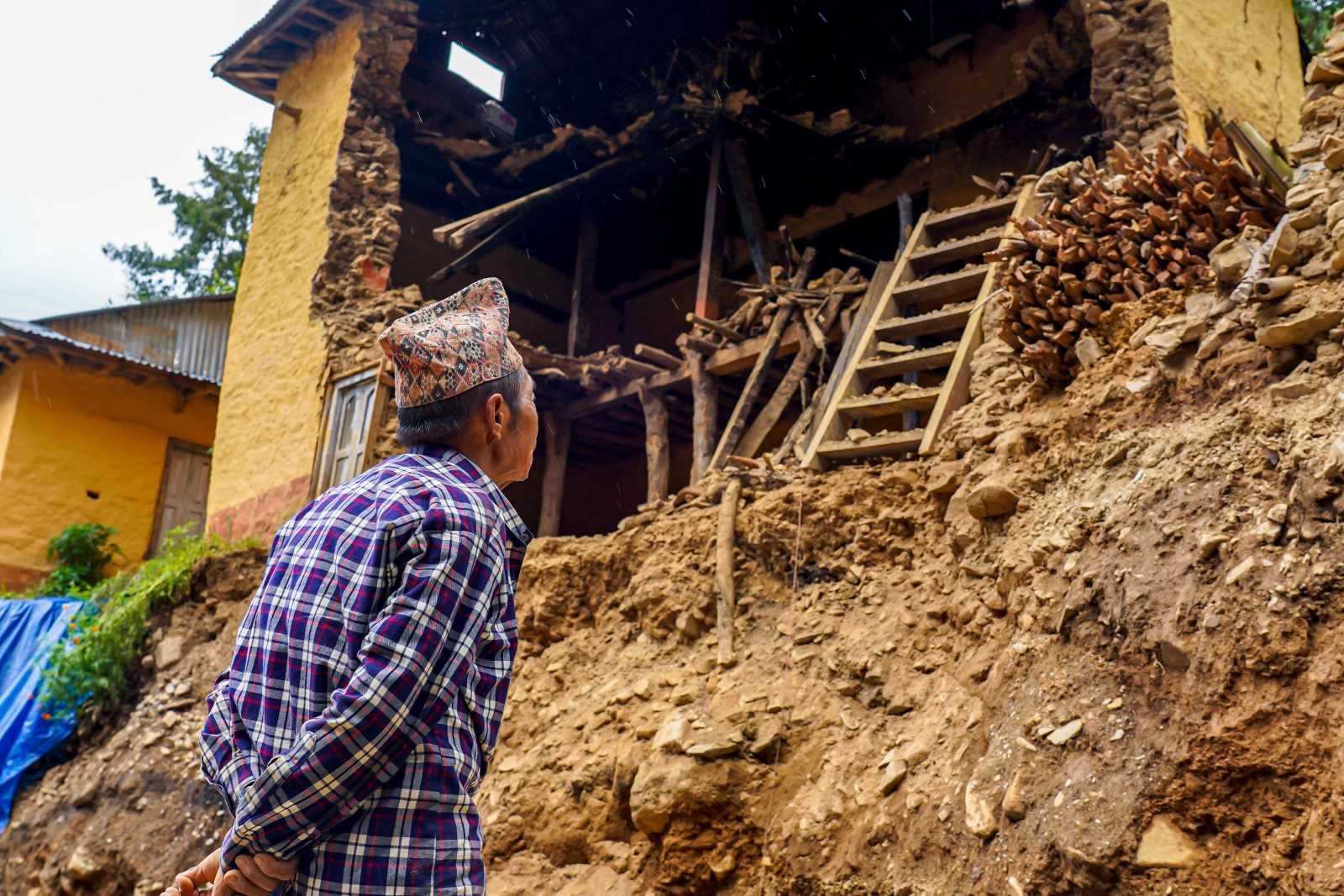
Nepal’s 2024 Voluntary National Review highlights challenges that are hindering the implementation of the SDGs. For example, the consequences of global warming are exacerbating environmental hazards such as landslides and floods; devastating earthquakes such as the one in the district of Jajarkot in 2023 are a serious threat too. Informal settlements are putting a strain on infrastructure, and the country continues to suffer from high unemployment. Like many other countries in the Global South, Nepal is groaning under a rising debt burden. And despite all the progress made, inadequate infrastructure remains an Achilles’ heel.
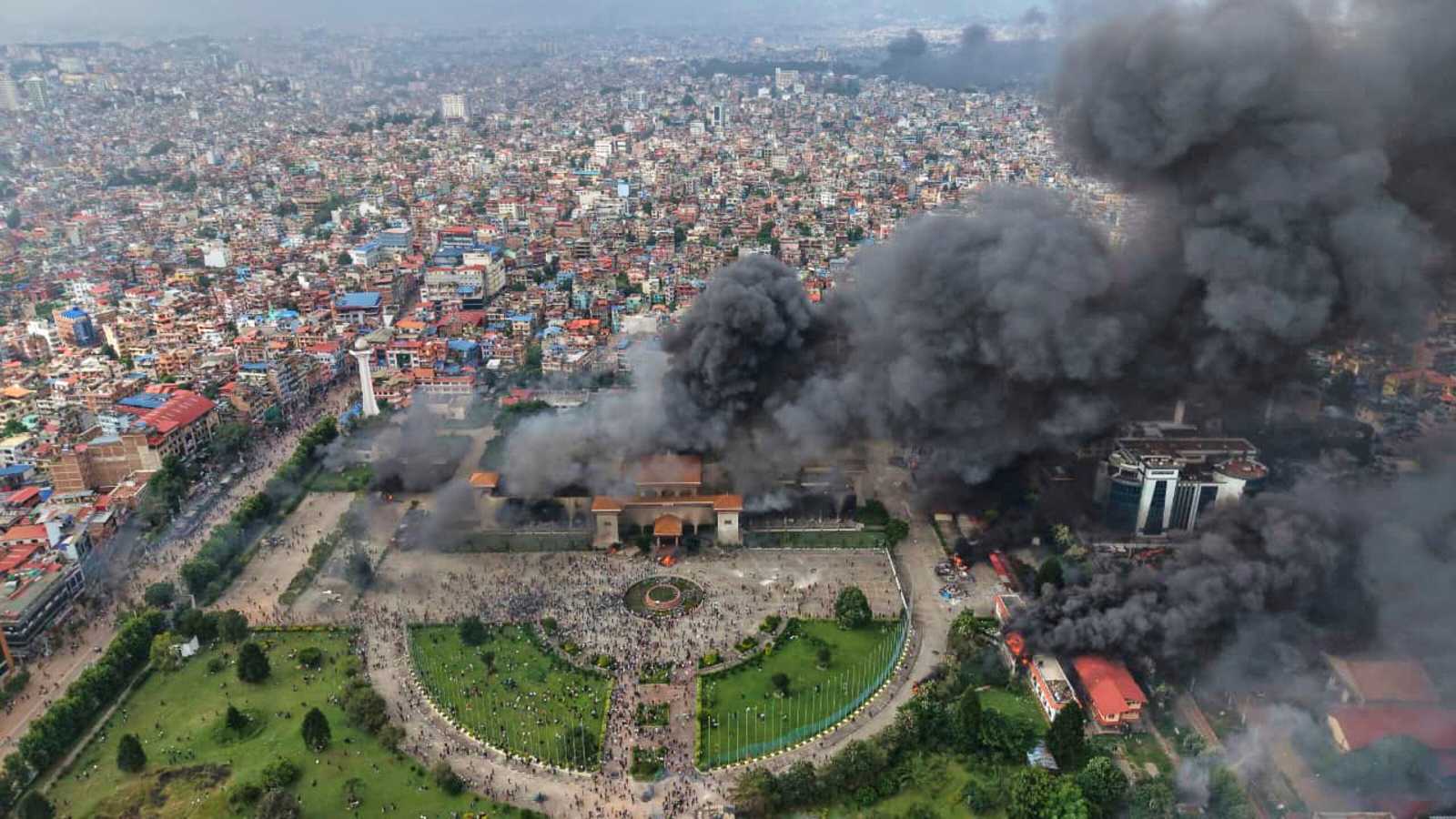
The fact that Nepal currently ranks only 85th out of 167 countries in the SDG ranking is also due to its weak institutional capacities and insufficient coordination between government agencies, which hinders the implementation of policy measures. Ongoing political instability presents a major challenge as well. In September, massive Gen-Z protests against a social media ban and corrupt elites devastated public infrastructure.
The country also has a lot of catching up to do in terms of social inequality. People continue to face severe discrimination based on gender, caste and ethnicity. At the same time, marginalised groups such as Indigenous Peoples, Dalits and people with disabilities are not sufficiently involved in political decision-making.
In order to still achieve the SDGs, the country will need the equivalent of around $ 23 billion per year between 2024 and 2030, according to calculations by the National Planning Commission. The largest investments would have to be made in sectors such as industry and infrastructure, but considerable funds are also needed for renewable energy and poverty reduction. The total amount significantly exceeds Nepal’s budget, which is equivalent to around $14 billion for the 2025-26 fiscal year.
The bottom line is that Nepal is contributing its limited resources to global efforts to achieve a more sustainable, equitable and prosperous future. It is even having a positive impact on the ability of other countries to achieve the SDGs, as indicated by its “spillover score,” which is just under 95 out of 100. It can therefore only be beneficial for the international community and for the achievement of the SDGs as a whole to continue supporting Nepal on its path.
Link
Nepal: Voluntary National Review of Sustainable Development Goals 2024.
Rukamanee Maharjan is an Assistant Professor of Law at Tribhuvan University, Kathmandu.
rukamanee.maharjan@nlc.tu.edu.np