Human-wildlife conflicts
Coexistence, not conflict


One night two years ago in Chauma village in Kasungu District in central Malawi, 47-year-old widow and mother of six children, Pasipawo Manda, woke to the sound of elephants storming through her maize and groundnut fields. “I had nothing left,” she recalls. “We went weeks without proper food, surviving on wild vegetables and maize bran from neighbours.” That night, the elephants even broke into her house, where she and three of her children were sleeping. “We ran for our lives, leaving the elephants eating my crops. It was frightening.”
Such scenes are common in Malawi and Zambia, where conflicts between humans and wildlife have become part of daily life. Expanding settlements, shrinking habitats and vandalised fences in protected areas have increased contact between people and wild animals – sometimes with deadly results.
Between 2019 and 2022, Malawi’s Vwaza Marsh Wildlife Reserve recorded an average of 888 incidents each year, while Zambia’s Musalangu Game Management Area reported about 489 annually. These range from elephants flattening crops to buffaloes injuring people and, in some cases, hippos overturning fishing canoes.
“When we seek compensation, no one helps,” says Frank Phiri from Kasungu Warm Heart, a local organisation supporting victims of animal attacks. “To authorities, animals’ lives seem more important than people’s,” he says, adding that Malawi’s current laws lack a formal compensation scheme for such victims. That’s why a group of people has brought up a legal claim against the International Fund for Animal Welfare (IFAW). The institution had relocated elephants to Kasungu National Park in 2022, which then fatally attacked people living nearby.
How humans and animals could coexist
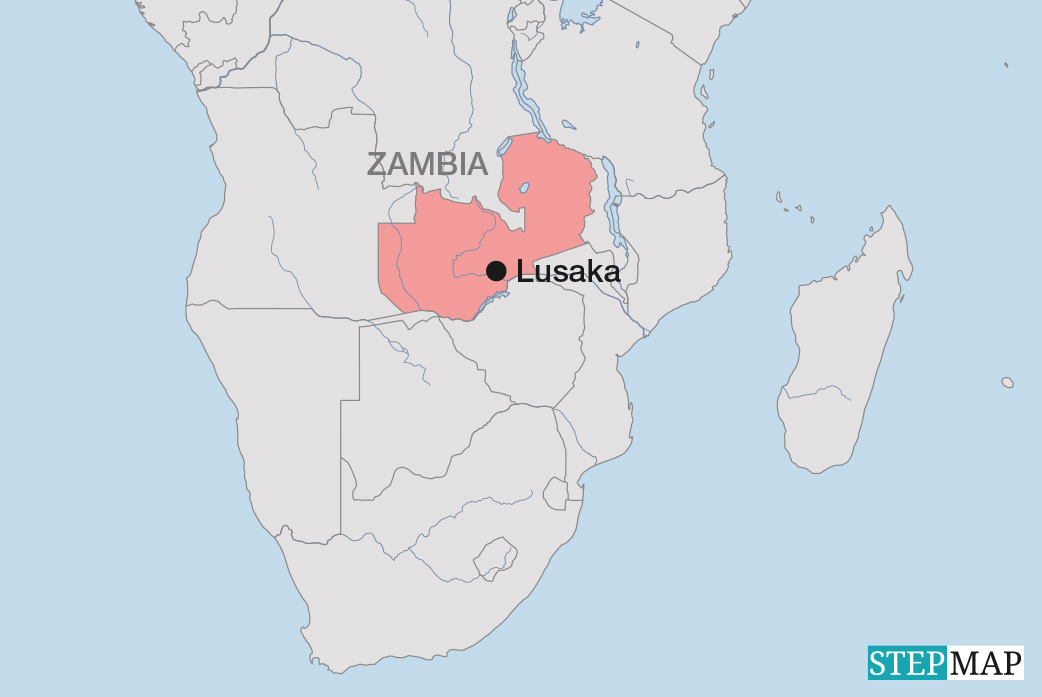
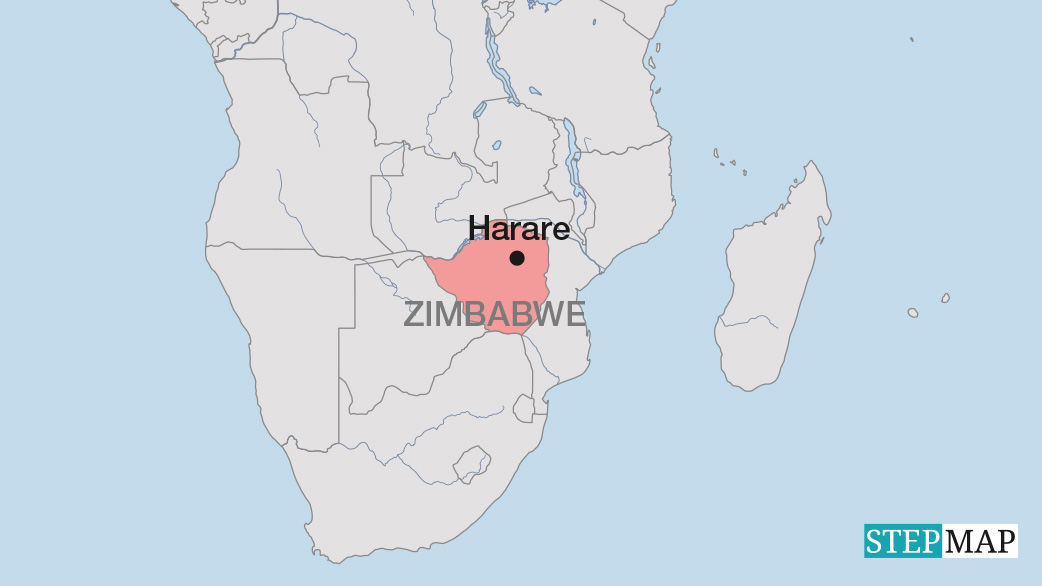
A new initiative is now offering hope. The Human-Wildlife Co-habitation Project, launched in June 2025, targets affected areas along the Malawi-Zambia border around Vwaza Marsh in Malawi and Musalangu in Zambia. Funded by Germany’s Federal Ministry for Economic Cooperation and Development (BMZ) through KfW Development Bank and implemented by the International Union for Conservation of Nature (IUCN) with Total LandCare (TLC), the three-year project aims to not only reduce human-wildlife conflicts but also improve food security and boost household incomes. It will, for example, introduce deterrents like solar-powered fencing, chili-based repellents and community crop-guarding systems as well as climate-resilient crops that are less attractive to wildlife.
Brighton Kumchedwa, Director of Malawi’s Department of National Parks and Wildlife, calls broken fences a major cause of conflict. “We’re not just thinking about wildlife. We’re thinking about people – their food, their safety, their income. That’s how conservation should work,” he says.
For Pasipawo Manda, the project brings hope. She dreams of a season when her crops will grow undisturbed – and when she will no longer wake at night to chase elephants away. “I just want to farm in peace,” she says. “If this project can give us that, it will change our lives.”
If successful, the project could become a model for balancing human needs and wildlife conservation across southern Africa – showing that coexistence, not conflict, is the key to protecting both people and nature.
Lameck Masina is a freelance journalist based in Blantyre, Malawi.
lameckm71@gmail.com