Cross-border conflicts
Pakistan and Afghanistan: a war, not a development corridor


For decades, Islamabad sought to resolve its security problems by befriending the regime in Kabul. Fears of a war on two fronts, with Afghanistan in the west and India in the east, gave rise to the notion of using Afghanistan as a strategic safe haven (“strategic depth” doctrine). To this end, Pakistan’s intelligence agency ISI armed Islamist actors: initially to fight the Soviet Union in the 1980s, later in Kashmir (since the 1990s) and then against the Afghan Republic (from around 2005). This led in 2007 to the emergence of the Pakistani Taliban (Tehrik-e-Taliban Pakistan, TTP) – a loose collection of militants who were originally fighting “for Pakistan” in Afghanistan. For as long as they were active on the other side of the border, they were considered “good” Taliban. Only when certain factions of the TTP turned their weapons against Pakistan were they declared to be “bad” Taliban – but by then their infrastructure was already firmly established in their own country and difficult to control.
Today’s war is the military manifestation of this dilemma. Islamabad accuses the Islamic Emirate of Afghanistan of violating its sovereignty by providing TTP members with safe havens, training and logistics. The Taliban, in turn, condemn Pakistani airstrikes against Kabul and Kandahar, calling them a blatant violation of their sovereignty. Pakistan frames the war as necessary self-defence against attacks launched from Afghanistan.
TTP cadres and the Afghan Taliban are linked by close family ties and deep-seated loyalties, bonds the Emirate can’t credibly deny despite its claims not to support terror. At the same time, terrorism in Pakistan is largely homegrown, not imported: it is fed by precisely those networks that the state created itself and has only combated selectively. Airstrikes, drones, declarations of “open war” – all of these serve merely to turn an internal security problem into an external one, without tackling its root causes.
Oppression of women in Afghanistan, powerful military in Pakistan
Neither of the warring parties can claim the moral high ground. The Taliban regime has institutionalised a system that systematically oppresses women. It enjoys only limited support within Afghan society. Pakistan’s policymaking is heavily influenced by the military: issues such as border areas, the extraction of raw materials, the decades-long presence of Afghans in Pakistan and grassroots movements fighting for the rights of ethnic minorities are viewed and addressed primarily as security concerns.
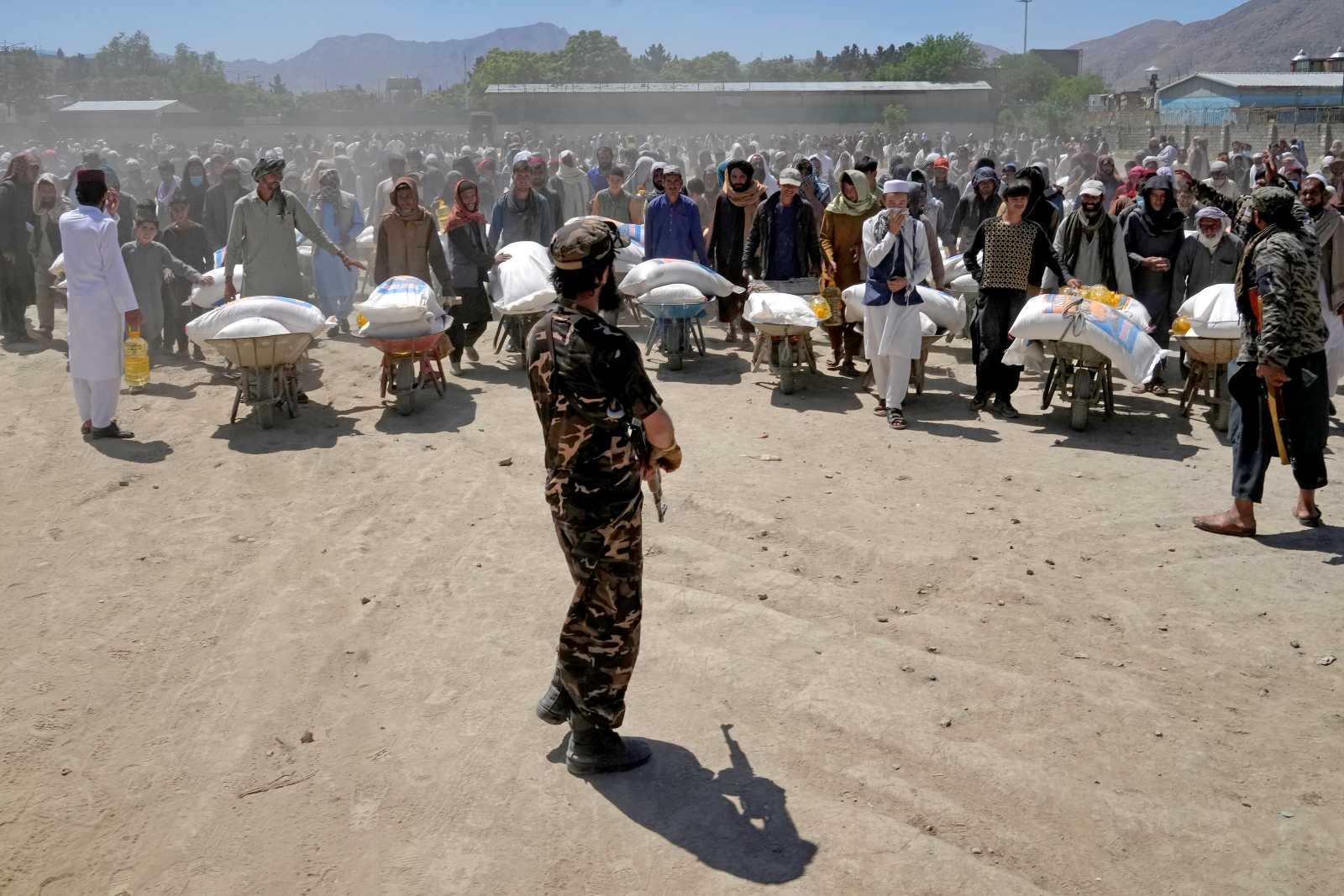
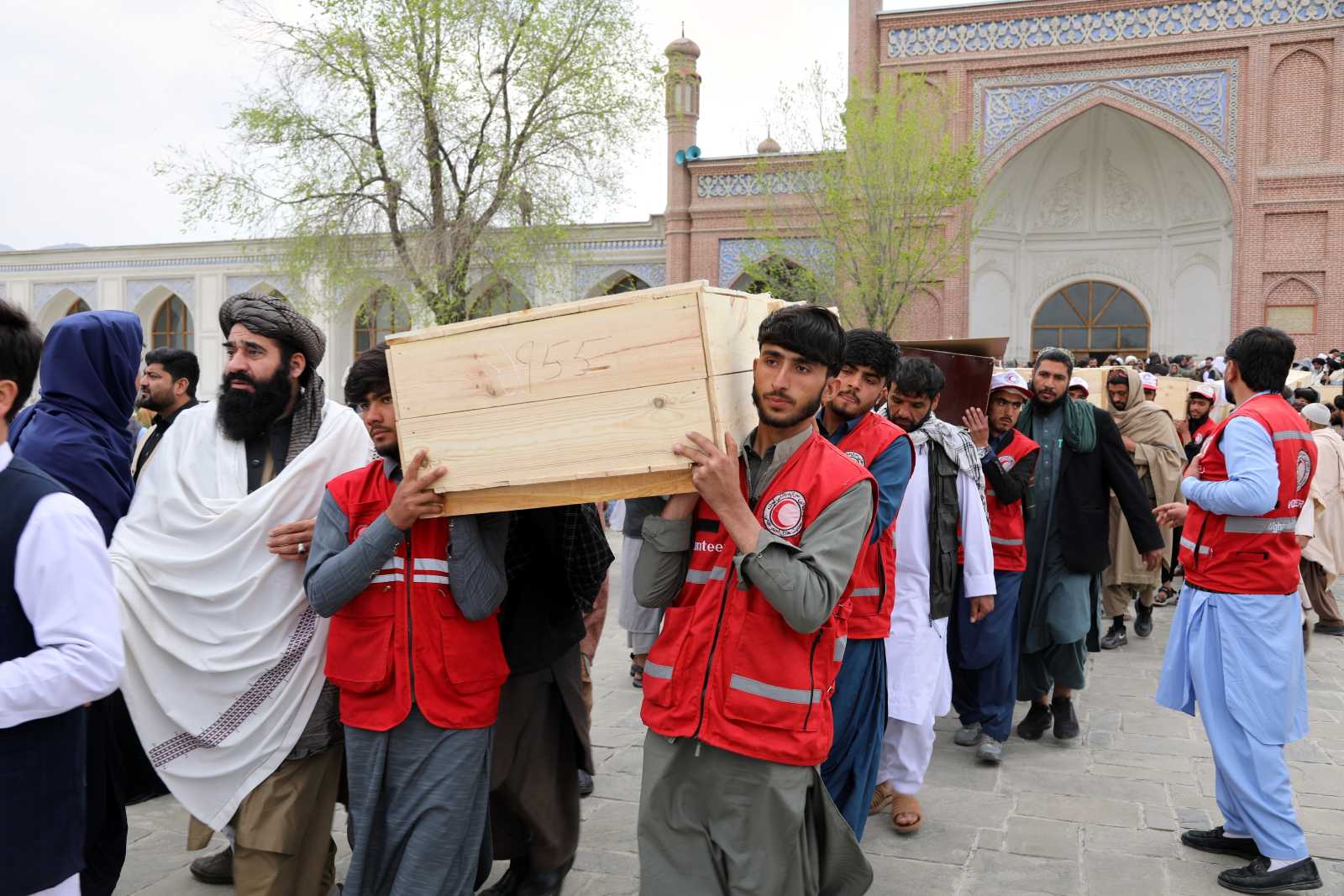
In this situation it is the civilian population in both states that pays the highest price. Afghans have been living in a near-constant state of war and crisis since 1978; for many, “everyday life” is synonymous with uncertainty and poverty. In Pakistan, especially in the border province of Khyber Pakhtunkhwa, people have been experiencing extreme violence since 9/11 – in the form of attacks by the TTP and military operations carried out by their own state.
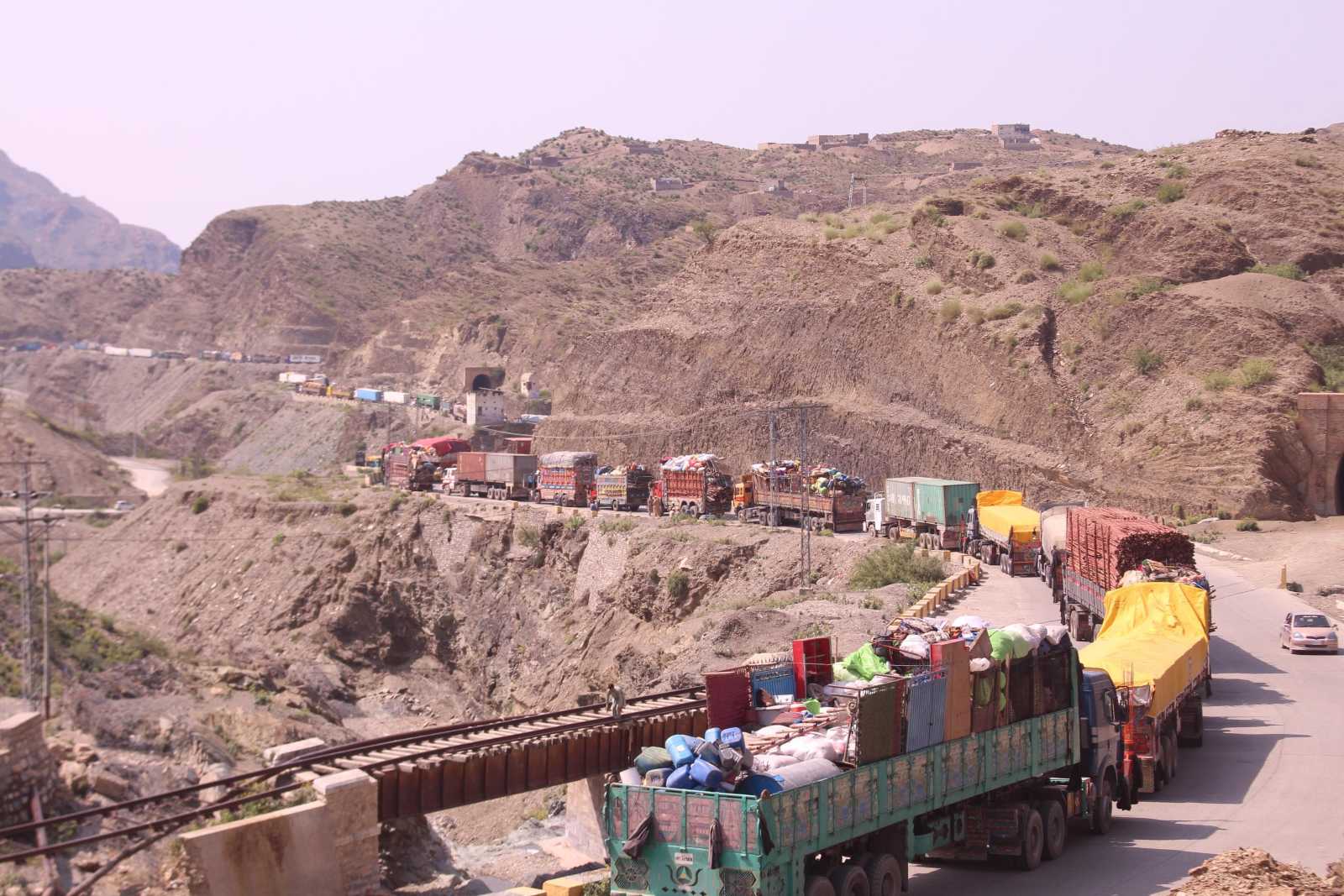
The economic costs to the region are already high – and will continue to rise as the situation further escalates. Border closures, disruptions to trade and discontinued transport and pipeline projects are seriously hampering links between Central Asia and Pakistan. Hopes that the region could serve as a corridor between markets have given way to a reality characterised by buffer zones, bombardments and mass deportations. More than 2 million Afghans have been expelled from Pakistan since September 2023, with families torn violently apart, arrests and expropriations – a means of exerting political pressure that severs social and economic ties. In an environment further compounded by the war in Iran, volatile energy prices and global rivalries, it is becoming increasingly unlikely that Afghanistan and Pakistan will profit in the foreseeable future from the planned cross-border energy and infrastructural projects. Where connectivity once appeared a tangible possibility, collective isolation is in fact the result.
Little prospect of stable peace
International mediation efforts – by everything from Islamic states to China – have done little so far to alter this fundamental constellation. They negotiate ceasefires, urge that certain red lines to be observed and appeal for dialogue. However, while Pakistan continues to adhere to its security agenda and the Taliban regime is able to exploit the conflict to boost its support at home, such initiatives offer little prospect of success.
Pakistan’s latest diplomatic role as a mediator in the Iran-US conflict and its close relations with the Trump administration have strengthened the Pakistani military at home. At the same time, it means the international community is willing to turn a blind eye to the militarisation of Pakistan’s domestic policy and its violent crackdown against the Pashtun ethnic minority and Afghanistan. Meanwhile, every airstrike, every drone and every attack widens the existing rift, with new generations of fighters becoming radicalised on both sides of the border.
Lasting peace under these circumstances is just as unlikely as the realisation of the much-trumpeted connectivity prospects. For Islamabad, the war appears to be the perpetuation of an old doctrine by new means; for Kabul it is an instrument of internal consolidation against an external enemy. The many killed and injured civilians are paying the price – as is the Afghan population, whose humanitarian situation is deteriorating by the day. Those whose livelihoods depend on the free flow of cross-border goods and services are also directly affected: merchants, transport workers, landowners and day labourers. A war, not a development corridor is more than just a headline, in other words: it is a bleak description of political failure that is driving those affected ever further to the fringes of the global order.
Katja Mielke is a senior researcher at the bicc – Bonn International Centre for Conflict Studies.
katja.mielke@bicc.de