March and July/August edition
Letters to the editor
Weeds and genetical modification
D+C/E+Z 2012/03, p. 112 f., Joachim von Braun (in our interview on agriculture): “Recent developments are promising”
I am impressed by your calm reasoning, especially in regard to GMOs. I have been working as a missionary and supporting farmers in Tanzania for 44 years. As best I can in an African village, I follow the development debate.
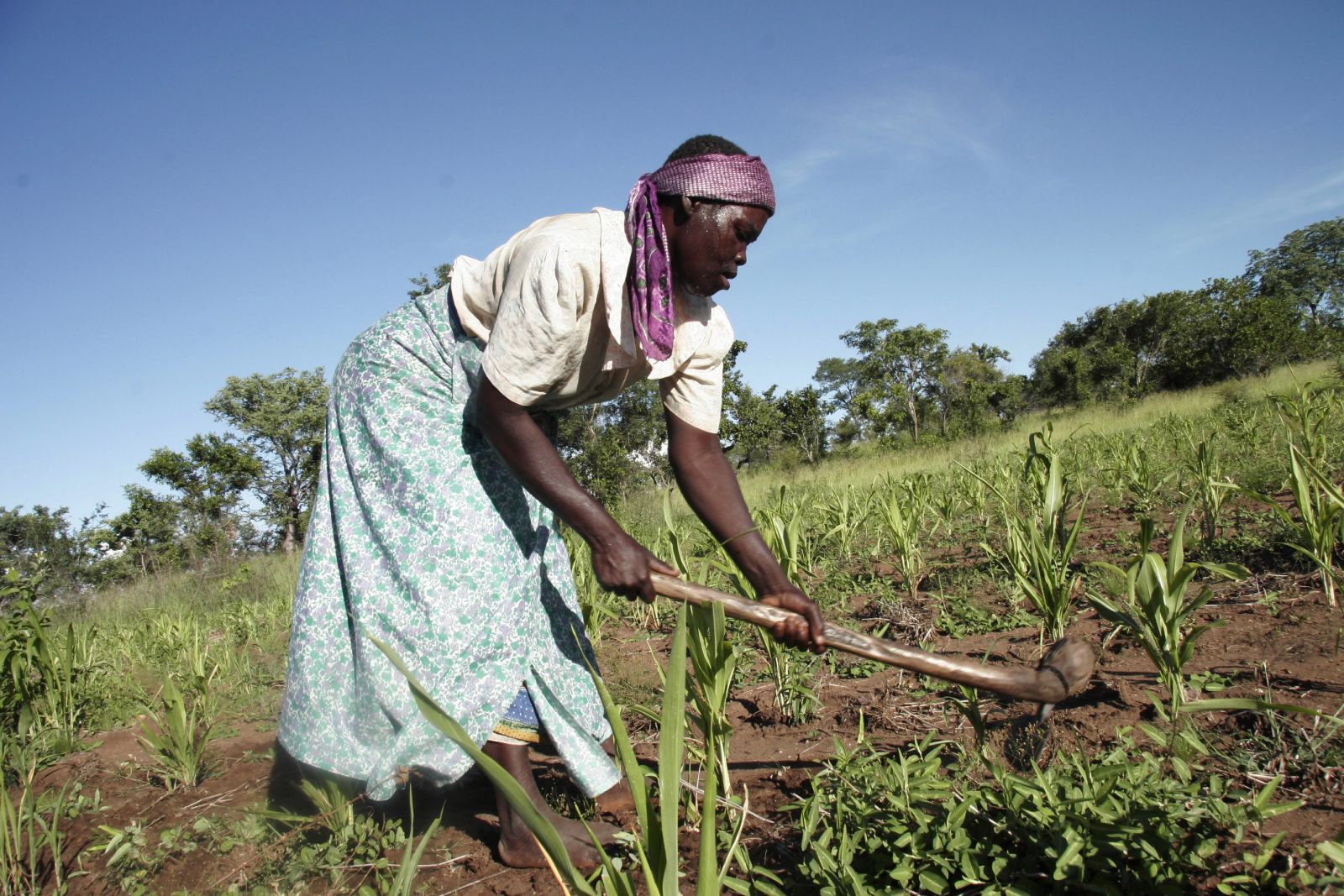
I find it striking that nobody seems to discuss the core challenge for African farmers: small fields. In most African countries, however, there would be enough land. In Tanzania, only about 10 % of arable land is cultivated. In Zambia, the share is a mere 4.1 %. The reason is weeds. African family farms cannot cultivate more land because they cannot cope with weeds on more than 2,3 acres or so.
The main advantage of the GMOs that are in use today – in particular soy and maize – is that there is no need for weeding. When I ask farmers here on how much land they would plant maize, soy or cotton if it were not for the weed problem, the response is always 10 acres. It is a scandal that African governments, incited by European NGOs, are forbidding their farmers to use life-saving and poverty-reducing technology.
Pater Athanas Meixner, Soni, Lushoto District,Tanzania