Human rights
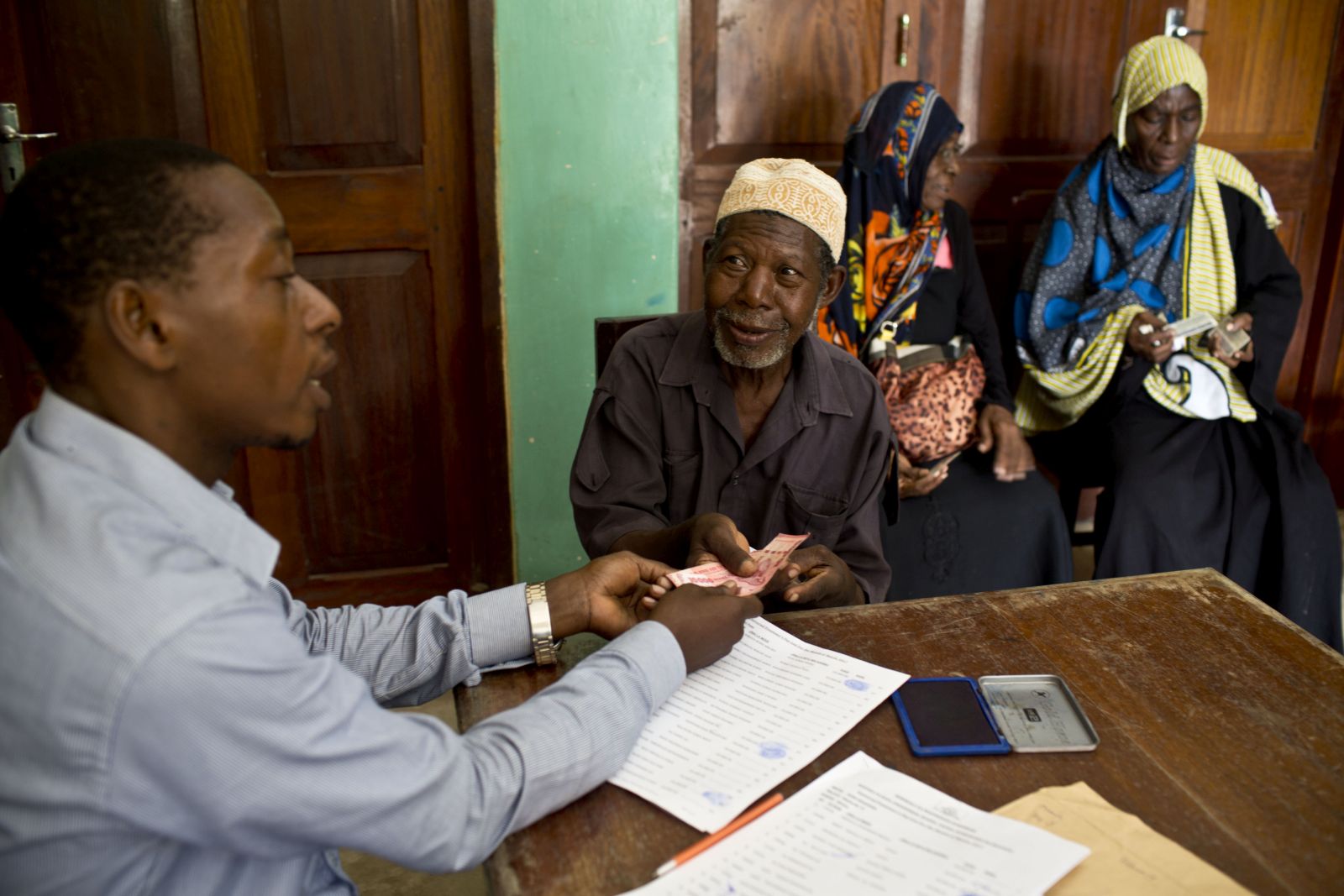
Social protection for all


Moreover, many countries – including Kenya, Zimbabwe and South Africa, for example – have enshrined it in their constitutions, as Markus Kaltenborn, a law professor at Ruhr University Bochum, recently pointed out during a conference hosted by the Development and Peace Foundation (Stiftung Entwicklung und Frieden – SEF) in Potsdam.
There are various models for social protection. Government-run health and unemployment insurances are typically based on compulsory contributions (“payroll taxes”) that are paid per formally employed person. Systems of this kind obviously depend on a company being registered and paying takes. Private-sector insurance policies are an option too, but they are normally prohibitively expensive. In some cases, according to Kaltenborn, government authorities step in to pay payroll taxes for people who work in the informal sector so they are covered by government-run insurances. (sb)