Latin America
Who bows in the face of Trump’s coercion?


The year 2026 started with a dramatic event: the US military abducted Venezuela’s Nicolás Maduro. The act was a stark reminder of the last century, when US interventions in Latin America were frequent and had negative, long-lasting consequences for the countries involved.
However, the intervention in Venezuela was not the first offensive act against Latin American countries since Donald Trump took office. The US president has drastically increased tariffs on several countries’ exports, especially those whose governments he does not consider his allies. Yet these measures were often reversed or altered at short notice, particularly when they drove up prices and production costs in the United States. At the same time, Trump has offered financial support to like-minded governments, most notably that of Javier Milei in Argentina. The suspension of most development aid also hit the region hard, especially its poorest countries.
Given the uneven and unpredictable nature of Trump’s policies, it is not surprising that Latin American governments have reacted in very different ways. Overall, however, most have adopted a pragmatic stance. They acknowledge the enormous asymmetry in economic and military power between the United States and Latin America. Many have made counteroffers, such as granting access to natural resources or pledging stronger action against organised crime and migration in exchange for tariff relief. They have also sought allies among US companies and interest groups. For instance, Amazon, Coca-Cola, General Motors, Caterpillar, MedTech and the American Chamber of Commerce for Brazil have all supported the Brazilian government’s efforts to revert tariffs imposed by Trump.
Mexico: Between cooperation and sovereignty
Mexico has been the most frequent target of Trump’s demands, which range from facilitating trade and combating organised crime to providing access to water at times of severe drought. Washington has even threatened military intervention to combat what it calls “narco-terrorism” near the border. Because of its geographic proximity and economic dependence on the United States, Mexico cannot simply dismiss these threats or announce retaliation.
At the same time, President Claudia Sheinbaum cannot afford to appear weak. All major political parties in Mexico maintain a strong nationalist stance towards the US, for obvious historical reasons. Sheinbaum has therefore pursued a dual strategy of offering cooperation while reaffirming Mexico’s sovereignty. Her government has shared intelligence information and extradited more than 50 leaders of organised criminal groups to the United States. At the same time, she has repeatedly stated that she would never tolerate a US “invasion” aimed at fighting Mexican cartels. Renegotiation of the US-Mexico-Canada Agreement (USMCA), which Trump is pushing for, is likely to be her next major challenge.
Brazil: A firm stance towards the US
Brazil is far less dependent on the US economy and has succeeded in considerably reversing Trump’s tariffs. It has established an open channel of dialogue with Washington on issues such as drug trafficking, money laundering and US policy towards Venezuela. Brazil has not made any major concessions to Trump because its large and diversified economy can withstand US tariffs, even though they undoubtedly hurt.
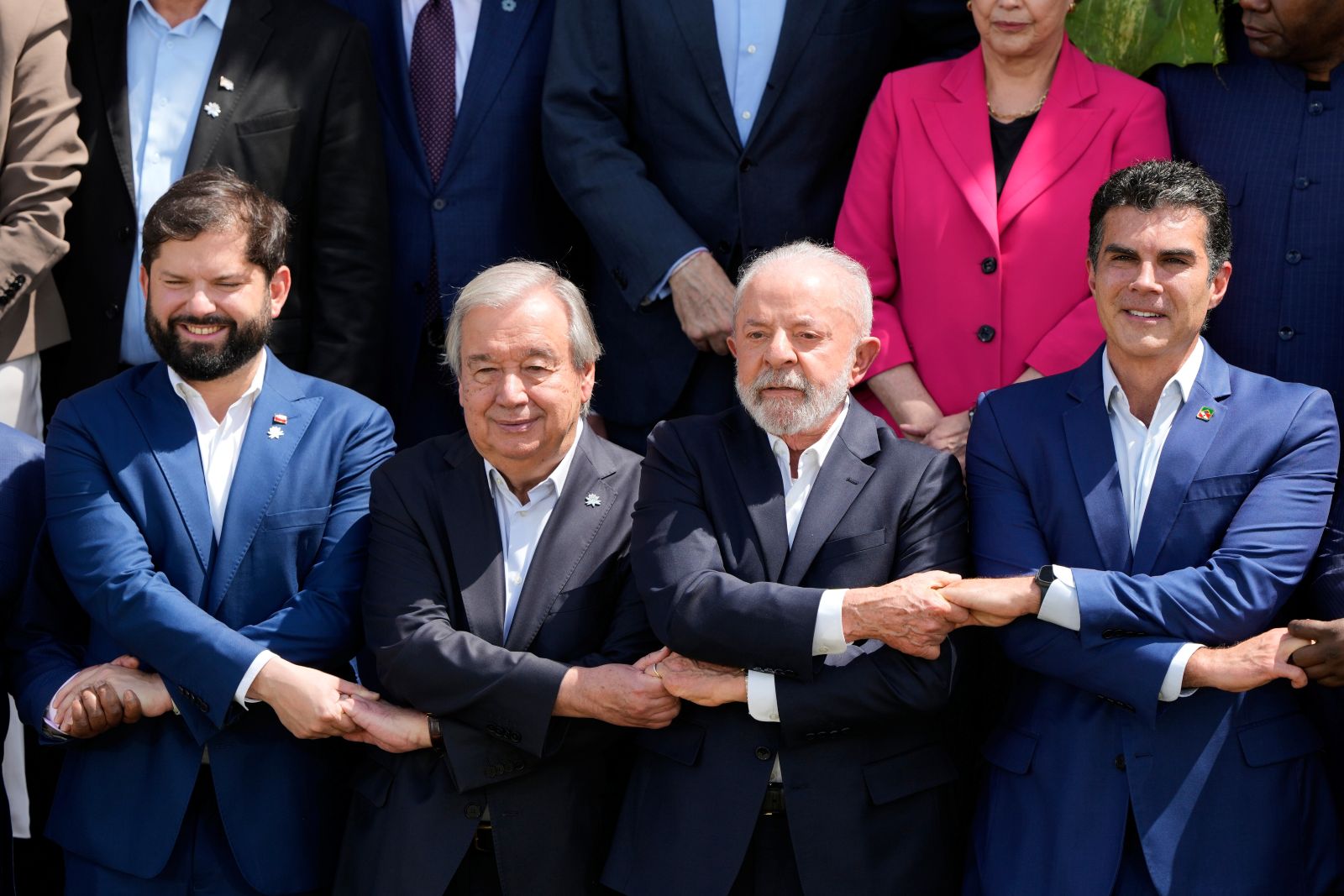
Trump’s main political demand had been to ensure that former President Jair Bolsonaro would not be prosecuted and imprisoned for attempting a coup after losing the 2022 presidential election. However, Brazil’s judiciary is independent of the executive and did not yield to US threats. Brazil is also in the process of regulating digital platforms, despite Trump’s efforts to protect US big tech companies.
Trump’s threats have even strengthened Brazil’s President Luiz Inácio Lula da Silva. He benefited from a “rally around the flag” effect and regained much of his lost popularity. Although tariffs were temporarily raised and talks stalled, Lula’s firm stance paid off. Trump eventually realised that Bolsonaro, once imprisoned, could not return to office – and that the US risked higher meat and coffee prices as well as restricted access to Brazil’s rare earths.
Venezuela: Coping with a genuine, physical invasion
The Trump administration has never recognised Nicolás Maduro as the legitimate leader of Venezuela. Throughout 2025, relations between the two countries became increasingly tense as Washington moved major aircraft carriers to the Caribbean, attacked several ships allegedly engaged in drug trafficking off the Venezuelan coast and in the East Pacific Ocean and seized oil tankers in the region. Following the US military’s kidnapping of Maduro, his vice president, Delcy Rodríguez, took over government offices. While Venezuela has recently started exporting oil to the US – one of Trump’s key demands – Rodríguez has called for respect for Venezuela’s national sovereignty. Her attempts to appease Trump suggest the Venezuelan regime’s anti-American and anti-imperialist ideology has clear limits and gives way to political pragmatism. Meanwhile, the opposition leader María Corina Machado has tried, to no avail, to gain Trump’s support, going so far as to offer him her Nobel Peace Prize.
The effects are spreading throughout the region, with Venezuelan oil exports plummeting and affecting Cuba in particular. As oil supplies dwindle, the UN is warning of a possible humanitarian “collapse” in a country that was already struggling to power its electricity grid. Cuba has repeatedly been targeted by Secretary of State Marco Rubio, who is of Cuban ancestry and had previously placed Cuba on a list of countries that do not cooperate in fighting terrorism. This rhetoric intensified in 2026.
Colombia: Not backing down despite serious threats
Despite being a long-time ally of the US in South America, Colombia has also been the target of military threats by Trump. His government recently designated the Colombian Gulf Clan cartel, considered to be the country’s largest cocaine producer, as a terrorist organisation. In September, the US withdrew Colombia’s certification as an ally in the fight against drugs. This decision, part of an annual assessment conducted since 1986, will result in the loss of approximately $ 380 million in annual aid.
Despite these retaliations, Colombian President Gustavo Petro remained one of the region’s most vocal opponents of Trump’s policies in South America. He also criticised the US for supporting Israel. After months of mutual insults, however, a White House meeting in February resulted in both heads of state adopting a friendlier tone. They announced their intention to cooperate, particularly with regard to export routes for Venezuelan gas, combating drug trafficking and resolving trade disputes between Colombia and Ecuador.
While Petro remains a largely unpopular leader, with December polls showing approval ratings of just 35 %, he is prohibited by law from running for re-election. The leftist candidate he is supporting, senator Iván Cepeda, is trying to capitalise on the nationalist and anti-American sentiment in Colombia. Just as happened in the 2025 legislative elections in Honduras, Chile, Bolivia and Argentina, it is expected that Trump will also support a candidate in Colombia’s presidential election. After Maduro’s fall, Colombian far-right candidate Abelardo de la Espriella declared that he considered the abduction “brilliant”, while other opposition figures preferred to react with caution. Three polls released in November indicate that Cepeda is in the lead and is expected to advance to the second round, with voting intentions ranging from 24 % to 31 %. Espriella follows behind him with percentages ranging from 14 % to 18 %.
Argentina and Trump’s South American allies
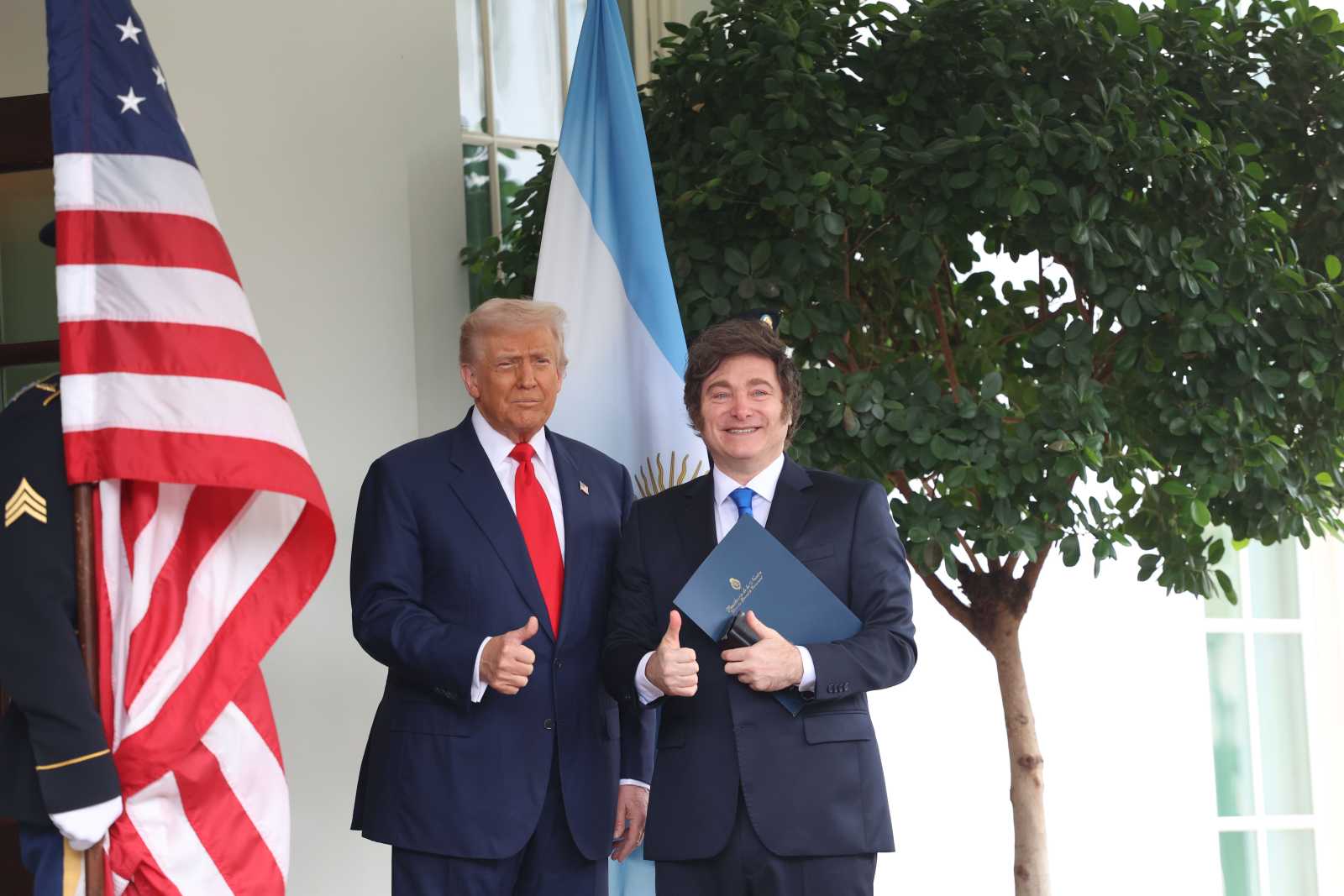
Trump has granted preferential treatment to countries led by like-minded leaders. They are provided with electoral and financial support as well as being offered economic agreements. For example, Washington provided Argentina’s government with $ 40 billion in loans. In the run-up to the midterm legislative elections, public support for President Javier Milei had been waning, as the country was facing dwindling dollar reserves and a rapidly depreciating local currency. Trump threatened to halt economic support if the opposition won.
Following Milei’s surprising victory, both countries signed an extensive trade and investment agreement that goes beyond US deals with other Latin American countries. It opens the Argentine market to US companies, aims to validate US standards and patent law in Argentina and facilitates large-scale data transfers. The agreement also grants the US privileged access to Argentina’s rare earths and other important minerals.
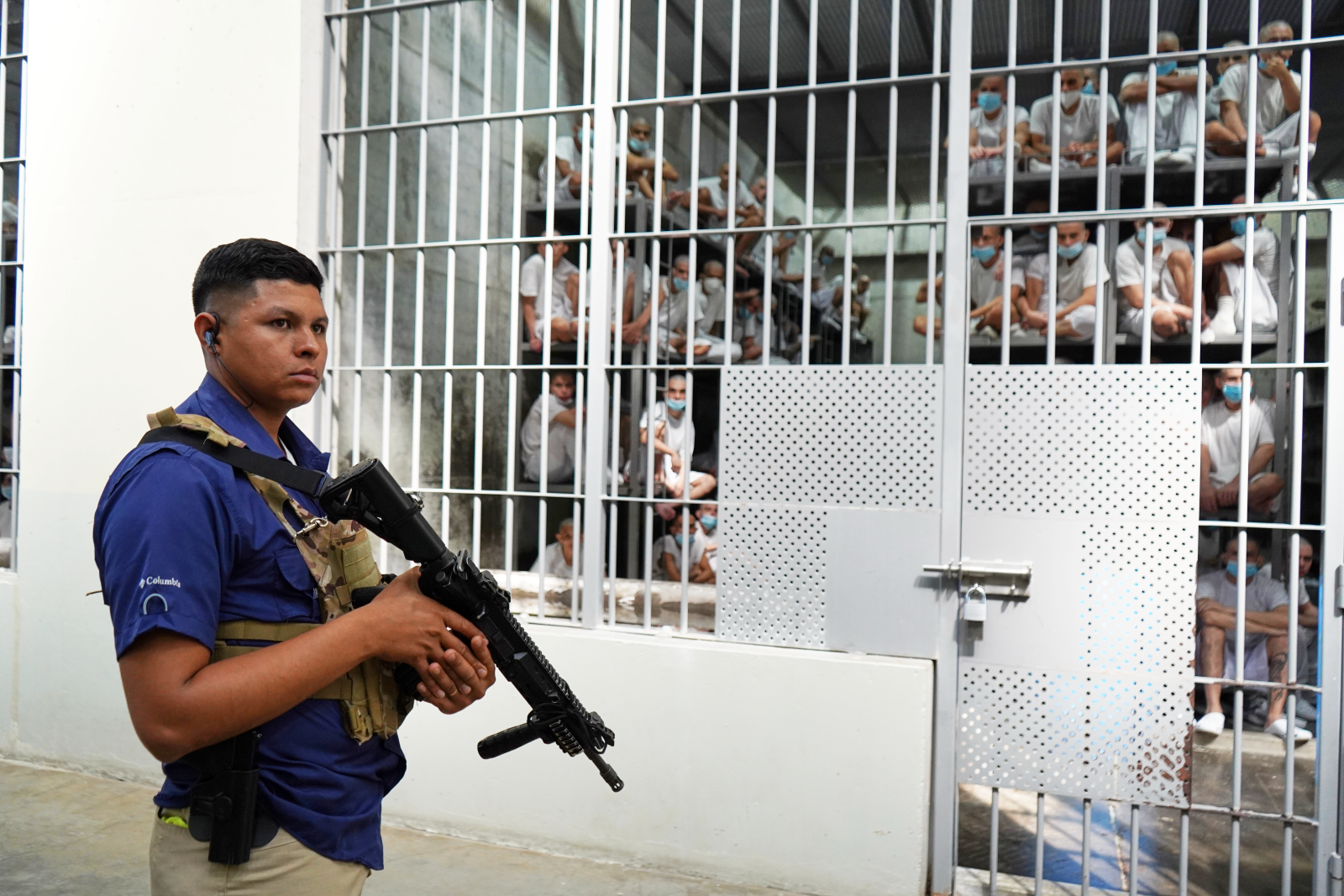
Trump has announced similar agreements with Ecuador, Guatemala and El Salvador. Bolivia and Chile, following recent political changes, may become his next partner countries.

China as an alternative partner
Despite intense pressure, South American countries are no longer as dependent on the United States as they once were. China offers an alternative. For more than two decades, Beijing has provided investment and credit in exchange for access to resources, largely without political conditions. It is now the largest trading partner and a major source of investment for most countries in the region.
Shortly after the US published its National Security Strategy in December 2025, China released its own comprehensive “Document on China Policy for Latin America and the Caribbean”. The timing was no coincidence. Countering China’s influence through military threats and economic coercion alone will be difficult for Trump.
The USA’s coercive power is in decline
US presidents have used coercion before when national interests seemed at stake. But they employed negotiation and persuasion strategies as well, combining pressure with incentives such as loans, investment, market access and development aid. Trump has largely abandoned this strategy. His administration cuts aid, wages tariff wars and issues military threats in an attempt to tackle complex challenges like migration and organised crime.
In a region divided between left- and right-leaning governments, this approach risks deepening political instability and suppressing economic growth. It is also proving counterproductive. In the past year, Trump’s political interference has strengthened leaders such as Lula and Sheinbaum, who stand their ground and denounce Washington’s actions as imperialist and as violations of national sovereignty.
André de Mello e Souza is an economist at Ipea (Instituto de Pesquisa Econômica Aplicada), a federal think tank in Brazil.
andre.demelloesouza@alumni.stanford.edu