Africa
Economic infrastructure alone is not enough for growth


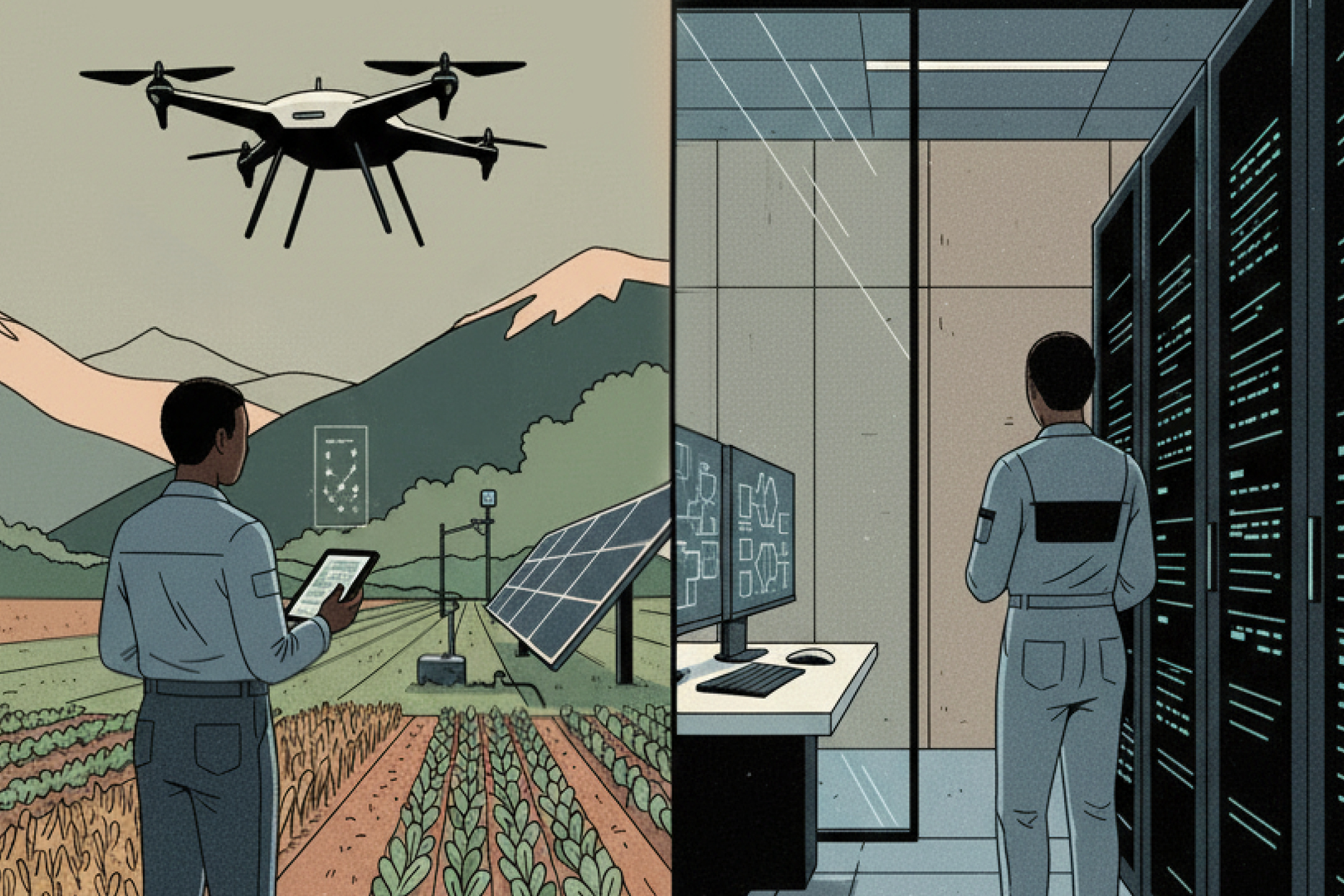
The African Union (AU) and the Organisation for Economic Co-operation and Development (OECD) are calling on African governments, donor countries and the private sector to significantly increase their investment in Africa’s economic infrastructure from the current average of $ 83 billion per year to $ 155 billion in future. Over the long term, this would double the growth of Africa’s gross domestic product (GDP) from an average of 4.4 % per year to 8.9 %, according to their report “Africa’s Development Dynamics 2025 – Infrastructure, Growth and Transformation”. The report rightly highlights how important it is to develop Africa’s economic infrastructure and identifies fundamental problems. However, it raises a number of methodological questions and neglects factors that are equally central to Africa’s economic development.
In recent years, 41 % of Africa’s economic infrastructure has been financed by the governments of African countries, 48 % by development partners and 11 % by private investors. The report calls on all three sources to increase their funding. At the same time, it identifies the obstacles to doing so and suggests how they can be overcome: Africa is confronted with growing debt problems that are constricting governments’ fiscal leeway, many development partners are cutting their budgets, and private financing is very expensive due to the high risks involved. Therefore, it is essential to resolve debt problems, stabilise development aid budgets and lower the high cost of private capital through improved risk assessment.
The allocation of funding suggested in the report should be called into question, however. It determines that the investment needs for all of Africa are highest for roads (32 %), followed by railways (24 %), fibre-optic cables (23 %) and solar energy (17 %). Only four percent of the total sum is left over for everything else. But is that really enough to expand sea- and airports, wind- and hydro energy, power grids and water supplies? It is particularly doubtful whether the planned investment in water of less than one percent of the total is sufficient. That corresponds neither to the current average value of about $ 11 billion per year nor to the estimate made by the High-Level Panel of the AU in 2023, which puts the annual needs of the water sector at $ 30 billion.
Other factors are important too
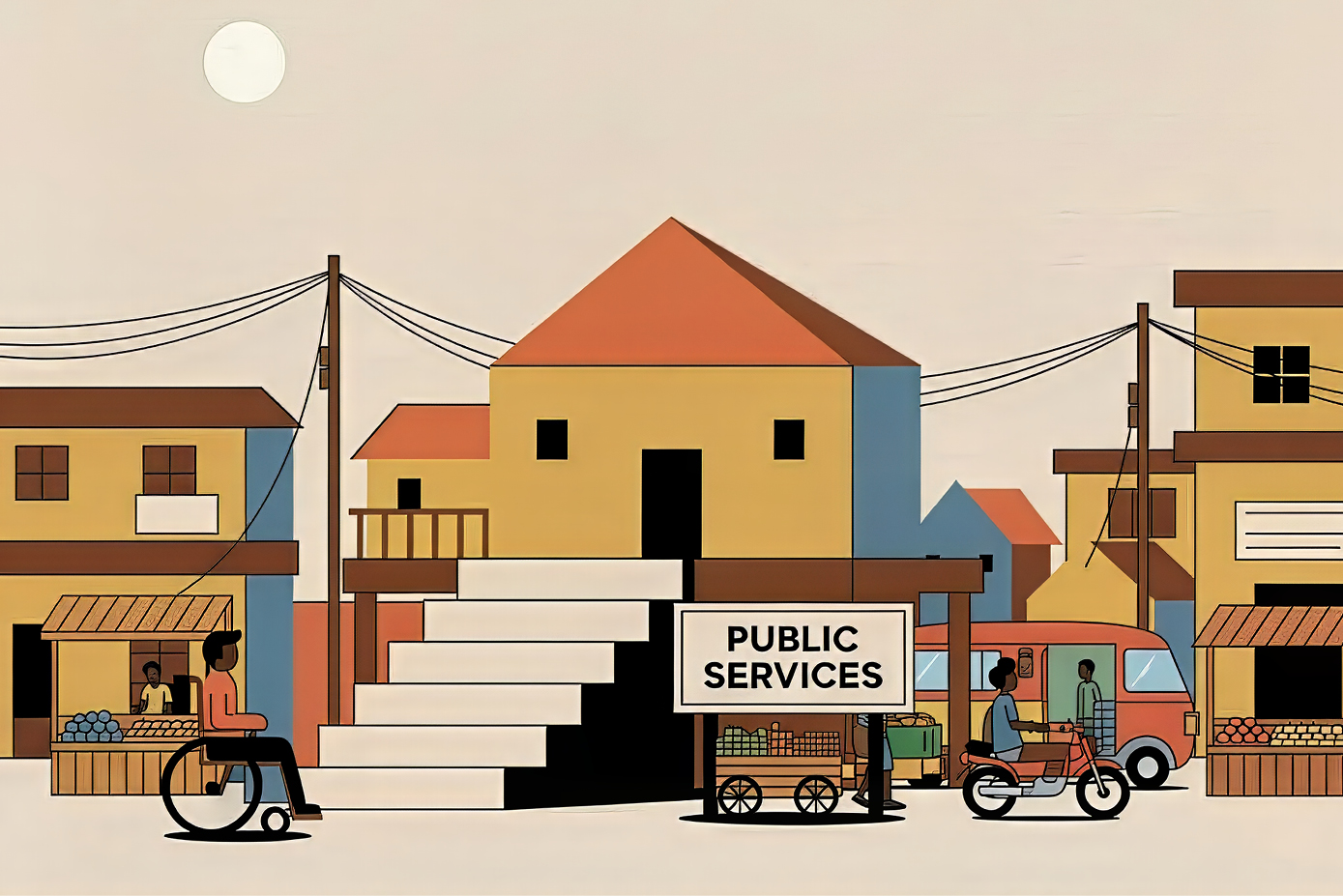
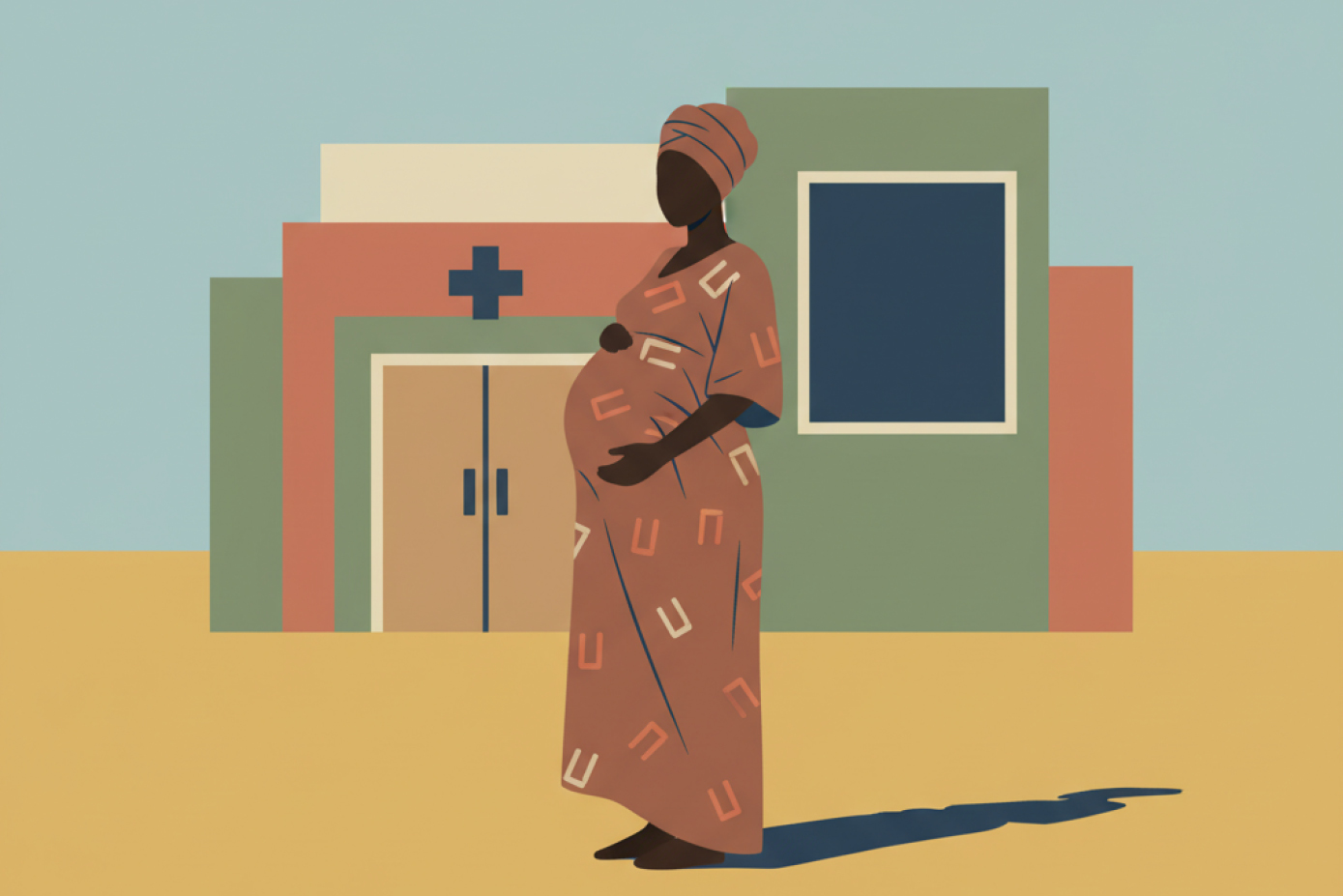
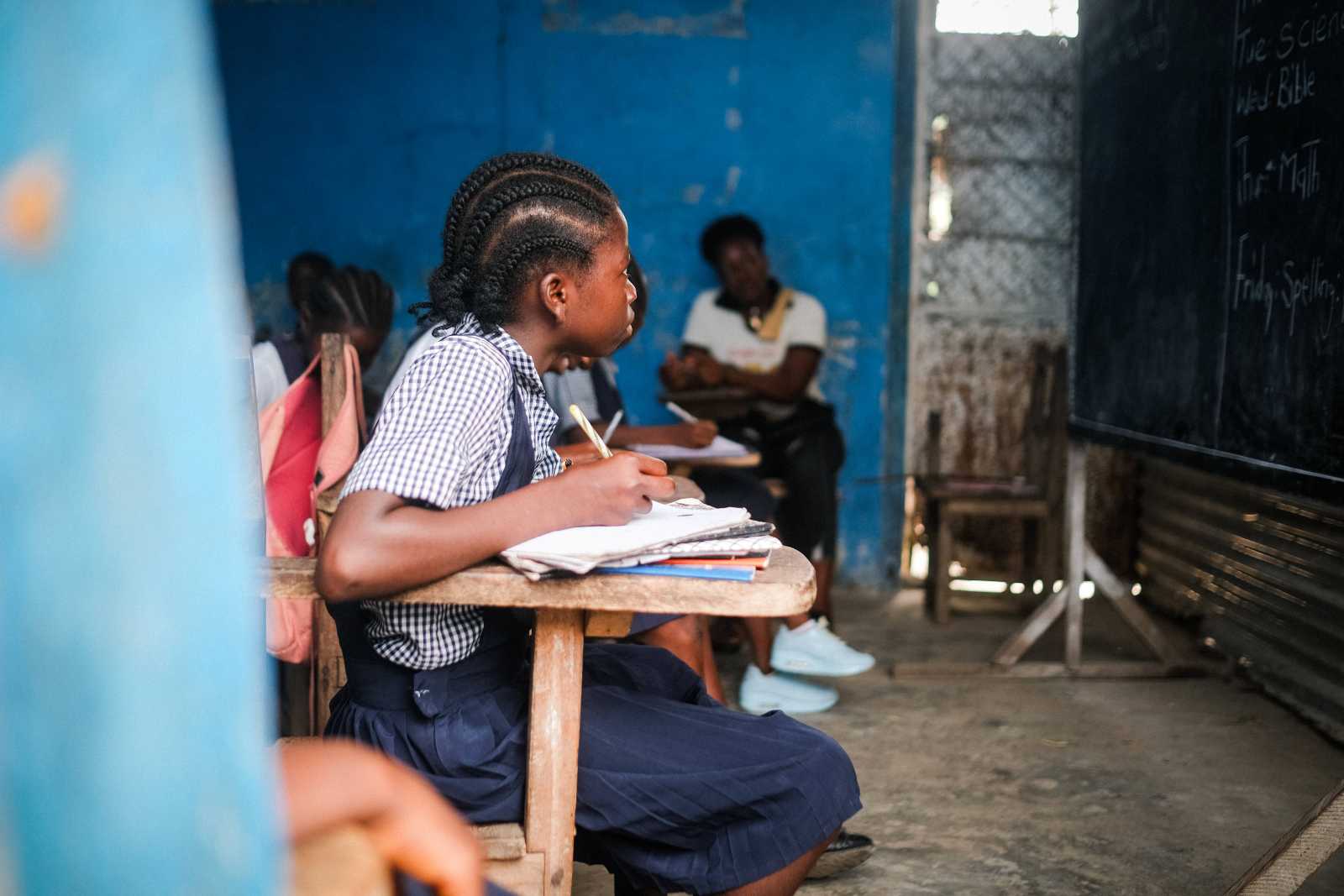
Moreover, the report creates the impression that the expansion of economic infrastructure is the single most decisive lever to boost Africa’s economic development. The argument is that the expansion of economic infrastructure would lead to a diversification of the economy, especially in the industry, service and export sectors, which in turn would encourage growth. That is not necessarily wrong, but it downplays an important point: social infrastructure is also of central importance to economic development, especially health and education. Without a healthy and well-educated population, African countries will not be able to achieve the desired economic goals.
In addition, structural factors are hampering Africa’s economic development. These include the fragmentation of the economic landscape into many small and medium-sized countries, a problem that can only be overcome through more regional and continental integration. Yet conflicts and crises are straining cross-border cooperation, for instance in the Sahel region, the Horn of Africa and the eastern Democratic Republic of the Congo (DRC). Political instability has increased recently, as evidenced by military coups, disputed elections and protests by young people. Many countries continue to struggle with corruption and governance problems.
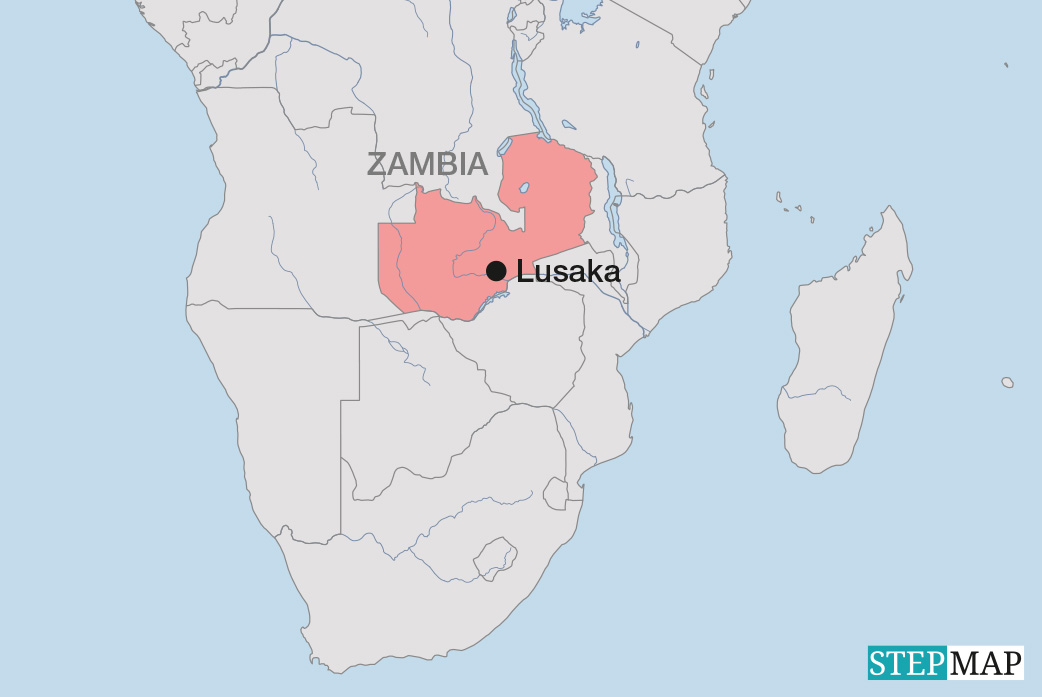
Last but not least, colonial patterns must be broken. The added value has to remain within the respective countries. In this context, it must be critically examined why the report focuses so strongly on investments in transnational corridors, such as the Lobito Corridor, which primarily serves to export raw materials from Zambia and the southern DRC to Western countries via the port of Lobito in Angola. Without an industrial policy framework at the national and regional level, traditional patterns of the international division of labour threaten to become entrenched. What is needed, therefore, is an active industrial policy that particularly promotes promising sectors with high added value, such as manufacturing, renewable energies and digital services.
All of these reasons show that investments in economic infrastructure do not automatically lead to economic diversification. Instead, they must be coupled with measures that create stable political and social environments for sustainable economic development. Without a simultaneous strengthening of the social infrastructure, an active industrial policy, successful regional cooperation, fewer conflicts and crises and greater political stability, even doubling investments will only have a limited impact.
Link
AU, OECD, 2025: Africa’s Development Dynamics 2025 – Infrastructure, Growth and Transformation.
Georg Schäfer is an expert on sustainable economic development, employment promotion and poverty reduction. He worked in German development cooperation for many years.
geo.schaefer@t-online.de