Sustainable fish farming
Aquaculture is the new catch for Zambia’s fishers


As Nawa Lubinda stands in a fragile canoe and casts his net into the deep waters of the Zambezi River, he reflects on his daily struggle as a local fisher depending on traditional fishing for his livelihood. “It’s getting harder from month to month, and the earlier we implement sustainable practices that can help conserve fish populations and ensure long-term economic benefits for communities, the better,” he says.
Lubinda’s experience of returning home with a poor catch underscores the challenges faced by many small-scale fishers in Zambia. Fishers like him are struggling with overfishing, environmental changes and limited access to modern technologies. And it’s not only affecting the fishers themselves – across the country, entire shoreline communities are facing the same pressures. The declining fish stocks and changing environmental conditions are making it harder for them to rely on traditional fishing alone. At the same time, limited infrastructure and market access affect their incomes.
That’s why alternative ways of producing fish are becoming increasingly important for both livelihoods and food security. In November 2025, the Zambian government officially launched an aquaculture expansion project worth almost $ 570,000. It was implemented over the past year to eventually increase fish production, generate over 300 metric tons of fish per cycle and create more than 800 jobs.
Floating fish cages
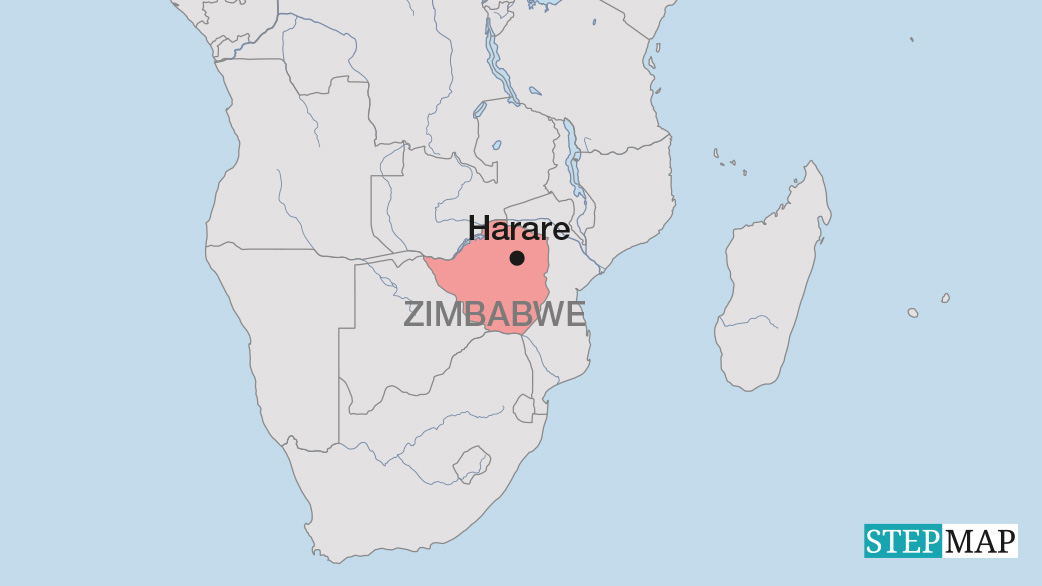
How this vision is taking shape can be seen in the Senanga district, some 900 kilometres west of Lusaka. The Citizen Economic Empowerment Commission (CEEC), in collaboration with the Ministry of Small and Medium Enterprise Development, has introduced floating fish cages along the Zambezi River. During the launch, minister Elias Mubanga announced: “This project goes beyond fish farming. It is about empowerment, employment and transformation for our people, especially in rural areas.”
And in fact, the project is designed not only to increase production and reduce pressure on wild fish stocks, but also to create new opportunities, especially for women and young people. Four cooperatives have therefore been equipped with 26 cages capable of holding 156,000 fish in the first production cycle. The number is set to be increased to 56, and they are expected to eventually produce up to a million fingerlings. The associated infrastructure – a 10-tonne cold room and a 5-tonne refrigerated truck for safe fish transportation, among others – is just as much a part of this as the training of local groups, a significant proportion of whom are women and young people. They are being trained as part of the government programme and are supposed to get involved across the entire value chain of fish production. The programme also includes support for new business ventures.
The project in Senanga district is part of a broader national push to expand aquaculture, supported by fish breeding centres, cold chain facilities and similar programmes in other provinces. Authorities hope the Senanga project will serve as a model for replication elsewhere.
“It may lift us out of perpetual poverty”
The impact is already being felt by local communities. According to Lubinda, people at the local markets talk about “CEEC fish”, and the fishermen are hoping for new sources of income. Lubinda says that he and some of his fellow fishers along the river now see their future sooner or later fully beyond traditional fishing – they hope to become aquaculture entrepreneurs, managing a business that starts with the fishes in the Zambezi and ends on dinner plates across the region. “I can really imagine that this is going to be a gamechanger for our livelihood and enhance food security in our district,” he says. “Eventually, it may lift us out of perpetual poverty.”
In fact, the Zambezi River has always been a lifeline in the form of water – now it could even play a decisive role in shaping the future of Zambia in a whole new way, as aquaculture gradually becomes more widespread. Mukubesa Kalaluka, another local fisher, agrees. He believes that the “socio-economic ripple effect will be felt in the district and beyond” and that with it indeed empowerment may come.
Derrick Silimina is a freelance journalist based in Lusaka, Zambia. He focuses on Zambian agriculture and sustainability issues.
derricksilimina@gmail.com
This story is part of The 89 Percent Project, an initiative of the global journalism collaboration Covering Climate Now.