Malnutrition
In Malawi, childhood is shaped by hunger


Daina Bikiyere, a six-year-old Malawian girl, has been battling malnutrition for the past year. She was recently admitted at the health facility in Mitundu on the outskirts of Lilongwe, Malawi’s capital city, with kwashiorkor, a protein-energy malnutrition, that primarily affects infants and young children with severe undernutrition.
Her mother, Faith Bikiyere, was worried. But after a while she was able to breathe a sigh of relief. “Doctors told me that my daughter had not eaten nutritious foods for far too long, but that she would be fine now in the hospital,” she says. “Yet my husband and I are struggling – we still cannot afford the expensive food for our children.”
So even now that her daughter Daina is out of danger and out of hospital, Faith Bikiyere is still worried that she will not be able to provide her with the necessary food. One reason for this is the fact that she has lost almost everything to a drought that hit the country during the 2024/25 growing season.
Paediatric nutrition to prevent the worst
Daina is among the millions of children who are hit hard by climate change impacts not only in Malawi but Africa as a whole. According to UNICEF children make up the vast majority of the total deaths caused by climate-related disasters globally.
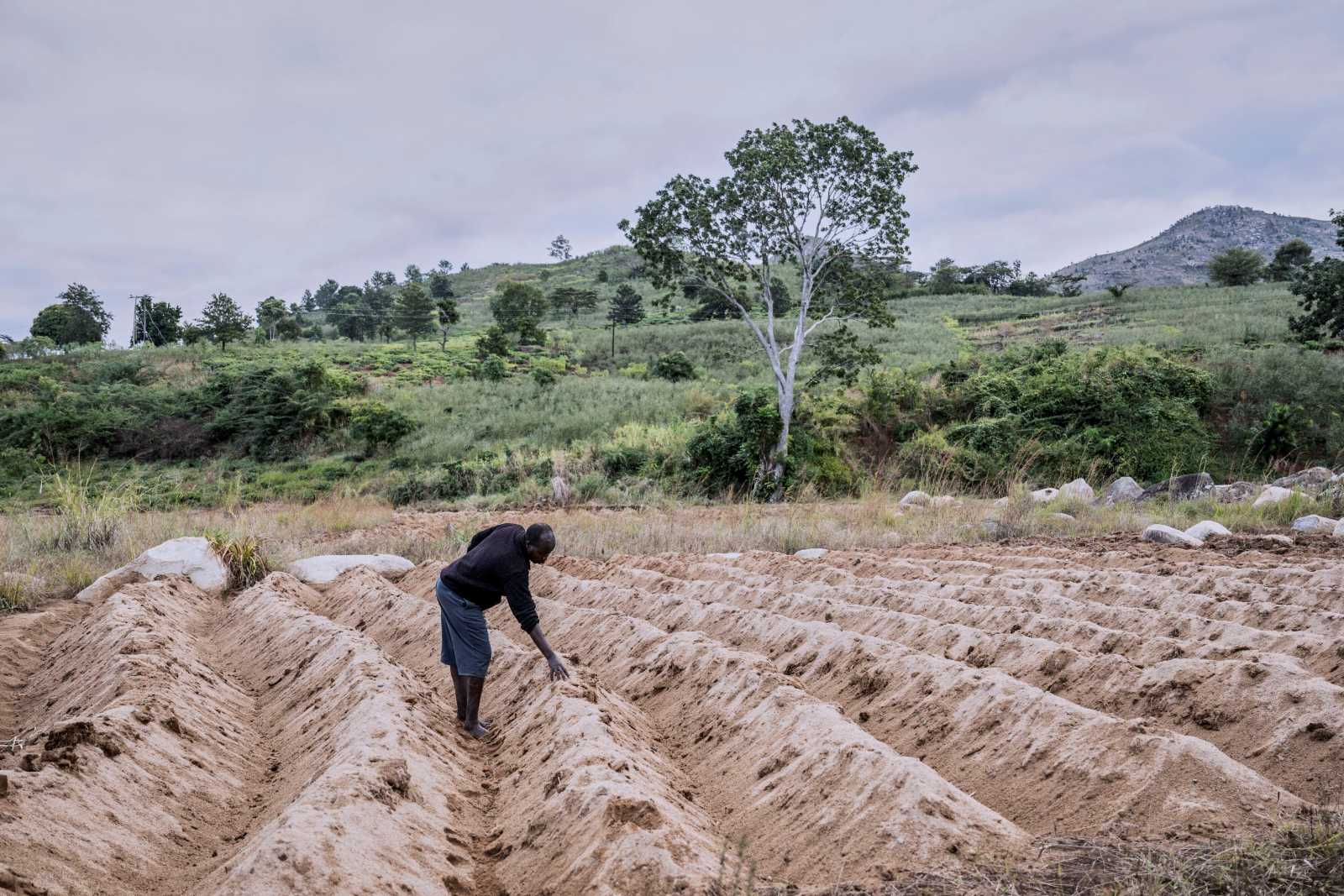
Malawi alone has experienced floods, landslides and droughts in recent years that have had a severe impact on food security. UNICEF indicates that about 5.7 million people in the country need humanitarian assistance – and about 3 million of them are children. Between January and September 2025, severe acute malnutrition (SAM) admissions rose by 20 % compared to 2024. Jayson Banda, senior community health nurse midwife at Kasugu District Hospital, says climate change is impacting children in many ways. “Their growth is stunted. They are underweight and prone to non-communicable diseases such as chronic respiratory diseases,” Banda says. As a way forward, he suggests, better paediatric nutrition is most important in order to prevent non-communicable diseases. “Children need to be fed both in and outside school – if they are attending school at all,” he says. “But for this to happen, families, especially lactating mothers, need to be healthy – which they can only be when they also have a good diet.”
Ongoing media awareness is needed
Therefore, Bright Sibale, a climate change expert, says that addressing drought, floods and temperature increases should be a priority for any policy implementer. Raising awareness in the media could be crucial, he suggests. “Unfortunately, children’s climate voices are limited,” he says. “That’s why media awareness of the impacts of climate change on children should be an ongoing process – not only a rare event once in a while.”
The new administration of Malawi’s president Arthur Peter Mutharika has promised to address the chronicle food shortages which have rocked the country for many years. This promise may now be the only hope for Daina, the girl who has been battling malnutrition for almost a year – and for millions of children more.
Raphael Mweninguwe is a freelance journalist based in Malawi.
raphael.mweninguwe@hotmail.com
This story is part of The 89 Percent Project, an initiative of the global journalism collaboration Covering Climate Now.